

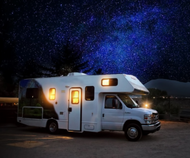
Staying Safe in a Camper: What Every RVer Should Know
RV travel is growing in popularity, and social media trends for “van life” are increasing as individuals seek more freedom - and less expenses - for everything from travel to daily living.
A Journal of Consumer Affairs study notes that about 11.2 million U.S. households own an RV and the market is forecasted to grow from almost $20 billion to $29 billion in 2029. While the largest group of RV owners are still casual campers who go out on summer weeks and family campers who go out a couple times a year on vacation, 30% of owners spend months at a time or live full-time in their RV or camper.
Increasingly, Americans of retirement age, as well as those in their seventies and eighties, are opting for a permanent transient lifestyle, either by preference or necessity. This was highlighted in the nonfiction book – and subsequent movie – Nomadland, which uncovered the phenomenon of older Americans moving into campers and vans following the Great Recession of 2007-2009. This group, as well as those in the latter 30% highlighted by the Journal of Consumer Affairs, are most often traveling solo or with just one other person, according to Outdoor Living. This makes preparing and safety especially critical.
While there are dozens of new resources and groups popping up around camper and van traveling and living, this article centers on how to stay safe, with particular attention to the relatively inexpensive devices that will add a layer of protection inside and outside your camper or RV.
General RV travel safety tips
Like all travel, staying aware of your surroundings, locking up, and notifying others of your travel plans also apply to camper and RV travel.
Additional considerations for this kind of traveling include selecting well-lit campsites and vetted locations or identifying trusted enthusiast groups for trips on where to stay or locations with large groups of travellers. Keep doors, windows, and storage locked, even when you’re inside the camper, and don’t open the van door if a stranger knocks.
Van life and RV travel safety preparedness
Make sure someone always knows where you are going to be, have a timeline for regular check-ins, and keep your emergency contact somewhere visible inside the vehicle. In such a small space, and especially if you’ll be cooking, have a smoke detector and fire extinguisher. You’ll also want a carbon monoxide detector.
Check the weather often and have a plan in the event of unexpected storms, flash floods, and other local alerts, depending on where you’re traveling.
Finally, keep a well-stocked first aid kit and view online tutorials to ensure you have basic knowledge of how to address scrapes, allergic reactions, sprains, broken bones, and more. RV, camper, and van travel can take people to remote locations where cell phone service is poor and time to a hospital can take a while.
Like all travel, staying aware of your surroundings, locking up, and notifying others of your travel plans also apply to camper and RV travel.
Camper, van, RV and personal safety protection devices
There are a number of relatively inexpensive products to layer in personal safety precautions that will help ensure protection. None of the devices recommended below requires electricity or wifi, and many do not even need a battery, making them ideal for campers, RVs, and vans.
Personal safety and self-defense devices
Personal defense options can be kept next to you while you’re inside the camper or RV and also used when traveling to bathroom sites or other hiking and walking around.
Pepper spray:
Arguably the most well-known personal safety protection, pepper spray is a must-have for road travelers, especially those who can end up in remote or unfamiliar locations. The most popular pepper spray offers quick release and comes on a keychain, with the second most popular pepper spray with a belt clip.
Pepper gel:
Pepper gel is relatively new on the market compared to pepper spray, and SABRE leads the pack in development! While a similar deterrent to pepper spray with the same powerful performance, gel offers a thicker consistency that sticks upon direct contact. With the help of UV marking dye, SABRE’s pepper gel formula is both effective at creating a moment for you to escape the situation but also at helping identify the attacker. The most purchased pepper gel comes in a .54 ounces with a fast flip top (purchase here) and it is available on a keychain, handstrap, holster and visor clip.
Personal alarms:
Personal alarms like this small battery device alert others that you are in danger and can be an excellent deterrent against a would-be attacker. They work particularly well if you have a safety plan with a neighbor to respond if and when they hear your alarm going off anytime day or night.
Bear spray:
Bear safety is critical if you’re traveling to bear or mountain lion country and specific defense spray is necessary. Bear spray is more powerful than pepper spray, making a much stronger deterrent against these large animals. (Note: Bear spray is illegal for use against humans and we do not recommend it.) One of the most popular bear sprays on the market is SABRE’s Frontiersman Max line. It is the only spray on the market approved for use against both bears and mountain lions by the EPA and comes in both 7.9 and 9.2 ounces and sprays 40ft. (Shop here)
All personal defense sprays should be kept at relatively mild temperatures so do not store them in the glove box or leave it in a hot vehicle all day.
In-camper safety devices
In addition to personal safety devices, there are many products that can be used inside a camper or RV to offer additional protection.
Door alarms:
There are two primary types of door alarms – wedge and handle alarms.
- Door wedge alarms are compatible with doors that have a 0.75”-1.25” gap between the floor and bottom of the door. Once activated, the extremely loud, 120 decibel alarm is audible up to 1,500 feet away.
- Door handle alarms detect vibration that occurs when someone touches and begins to move the handle. The alarm decibel is 110 with a range of up to 680 feet, notifying those of a possible intrusion and potentially alerting neighbors, if staying in an RV park or similar campsite. Note, the door handle alarm from SABRE includes a 30-second delay to avoid false triggering.
Door security bar:
SABRE offers a door security bar made from high-grade iron that is adjustable to secure just about any hinged doors, sliding doors, or windows. It is an additional layer of protection for window locks and ideal for use overnight while you’re asleep.
Fake cameras:
Fake security cameras located inside and outside the vehicle can be a low-cost deterrent to would-be burglars. At $15-$25 each, they are far less expensive than wired systems, though we do suggest using them in addition to a door alarm and security bar.
RV travel and van life offer freedom, flexibility, and adventure, but staying safe means being prepared. Whether you're parked in a remote forest or a busy campground, a few smart precautions can go a long way in protecting you and your loved ones.